
Digital marketing evolves at breakneck speed, and 2025 promises to bring some of the most significant shifts we’ve seen in years. From artificial intelligence reshaping content creation to privacy regulations changing how we collect data, marketers face both exciting opportunities and complex challenges ahead.
The brands that thrive will be those that adapt quickly to these emerging trends while maintaining authentic connections with their audiences. Whether you’re a seasoned marketing professional or just starting, understanding these developments will be crucial for staying competitive.
This comprehensive guide explores the ten most impactful digital marketing trends that will shape 2025. You’ll discover actionable insights to help you prepare your strategy, allocate resources effectively, and capitalize on new opportunities before your competitors do.
Discover the Key Digital Marketing Trends 2025
Discover the top digital marketing trends for 2025. Stay ahead with strategies in AI, personalization, and emerging tech for your business growth.
AI-Powered Personalization Takes Center Stage
Artificial intelligence is moving beyond basic chatbots and automated email campaigns. In 2025, AI-powered personalization will become sophisticated enough to deliver truly individualized experiences at scale.
Advanced machine learning algorithms now analyze hundreds of data points in real-time, encompassing browsing behavior, purchase history, weather patterns, and social media activity. This enables brands to create hyper-personalized content, product recommendations, and marketing messages that feel genuinely relevant to each customer.
Smart marketers are already testing AI tools that can generate personalized landing pages, customize email content based on individual preferences, and even adjust website layouts in real-time. The key is balancing automation with human insight to ensure personalization feels authentic rather than intrusive.
To implement this trend successfully, start by auditing your current data collection practices and identifying opportunities to gather more meaningful customer insights. Invest in AI platforms that integrate seamlessly with your existing marketing stack, and consistently prioritize transparency regarding how you utilize customer data.
Voice Search Optimization Becomes Essential
With smart speakers in millions of homes and voice assistants built into virtually every smartphone, voice search is no longer optional for digital marketers. By 2025, voice queries are expected to account for more than half of all searches, significantly altering how brands approach SEO and content creation.
Voice searches differ significantly from typed queries. People speak more conversationally, ask complete questions, and often seek immediate, local results. This shift requires marketers to optimize for long-tail keywords, create FAQ-style content, and ensure their business information is accurate across all platforms.
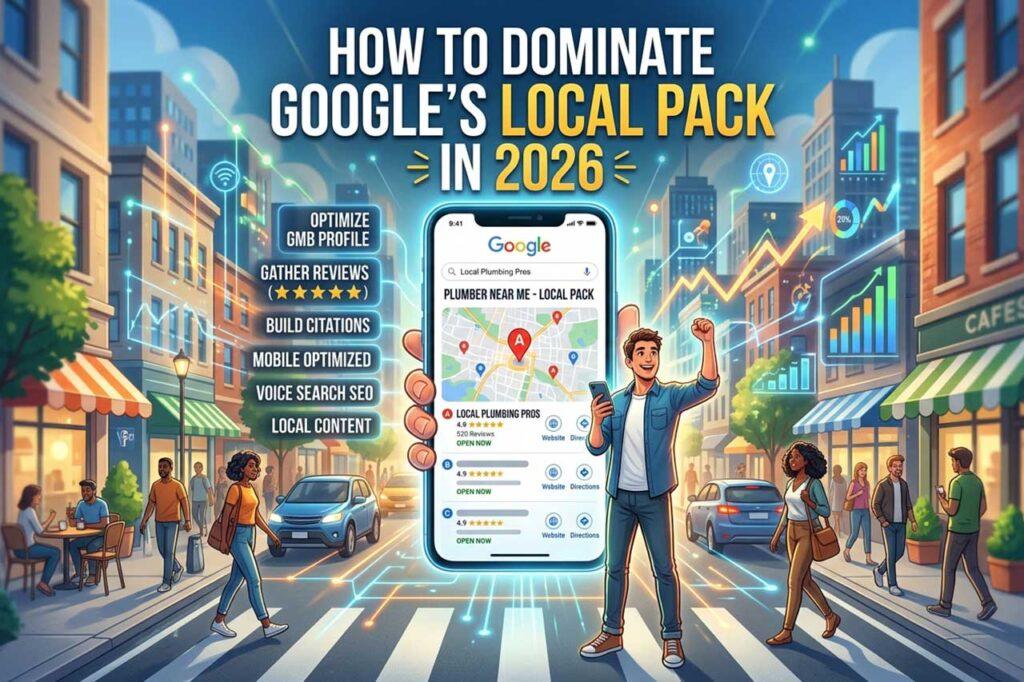
Local businesses, in particular, benefit from voice search optimization, as many voice queries include phrases such as “near me” or “open now.” Brands that master voice search early will capture a significant market share as consumer behavior continues to evolve.
Focus on creating content that answers specific questions your customers might ask out loud. Optimize for featured snippets, which voice assistants often read as answers. Most importantly, ensure your website loads quickly and displays properly on mobile devices, as most voice searches happen on smartphones.
Interactive Content Drives Engagement
Static content no longer captures attention like it used to. Interactive elements such as polls, quizzes, calculators, and augmented reality experiences are becoming essential for engaging audiences who expect participation rather than passive consumption.
Interactive content generates significantly higher engagement rates than traditional formats. Quizzes can increase time on page by over 300%, while interactive videos see completion rates nearly double those of standard videos. More importantly, interactive content provides valuable data about customer preferences and behaviors.
Brands across industries are experimenting with innovative interactive formats. Real estate companies use virtual tours, fitness brands create personalized workout generators, and financial services offer interactive budgeting tools. The common thread is providing immediate value while gathering insights about customer needs.
Start small by adding polls to your social media posts or creating simple quizzes related to your products or services. As you become more comfortable with interactive formats, consider exploring advanced options such as AR filters, interactive infographics, or personalized assessment tools.
Privacy-First Marketing Reshapes Data Strategies
The phase-out of third-party cookies and increasingly strict privacy regulations are forcing marketers to rethink their data collection and targeting strategies completely. First-party data has become the most valuable asset for digital marketers.
Building direct relationships with customers through email subscriptions, loyalty programs, and owned media channels is now more important than ever. Brands that excel at collecting and utilizing first-party data will have significant advantages over those still relying on external data sources.
Transparency and trust are paramount in this new landscape. Customers are more willing to share personal information with brands they trust, but they expect clear explanations of how their data will be used and genuine value in return.
Successful privacy-first marketing requires a fundamental shift in approach. Focus on creating valuable content and experiences that encourage customers to share their information willingly. Implement robust data management systems that ensure compliance with regulations while maximizing the utility of the data you collect.
Social Commerce Explodes Across Platforms
Social media platforms are rapidly evolving into comprehensive shopping destinations. Instagram Shopping, Facebook Marketplace, TikTok Shop, and Pinterest’s shopping features have transformed social media from discovery platforms into complete sales funnels.
The convenience of purchasing directly within social apps, combined with sophisticated recommendation algorithms, creates powerful opportunities for brands to reach customers at the perfect moment. Social commerce eliminates friction in the buying process and capitalizes on impulse purchases driven by social proof and influencer recommendations.
Live shopping events are particularly effective, combining entertainment with commerce in ways that feel natural and engaging. Brands that master live social commerce can build communities around their products while driving immediate sales.
To succeed in social commerce, focus on creating high-quality visual content that showcases your products naturally within social contexts. Partner with influencers who align with your brand values and can authentically promote your products. Most importantly, ensure your social commerce strategy integrates seamlessly with your overall customer experience.
Video Content Dominates All Platforms
Video consumption continues growing exponentially, with short-form vertical videos leading the charge. Platforms like TikTok, Instagram Reels, and YouTube Shorts have proven that engaging video content doesn’t require Hollywood budgets or professional production teams.
The most successful video content feels authentic and provides immediate value, whether through entertainment, education, or inspiration. Behind-the-scenes content, quick tutorials, and user-generated videos often outperform polished advertisements in terms of engagement and conversion rates.
Live video streaming presents additional opportunities for real-time engagement with audiences. Live Q&A sessions, product demonstrations, and behind-the-scenes content help build genuine connections with customers while showcasing brand personality.
Develop a video content strategy that strikes a balance between planned content and spontaneous, authentic moments. Invest in basic video editing skills and tools, but remember that genuine personality often matters more than perfect production quality. Test different video formats and lengths to discover what resonates best with your specific audience.
Micro-Influencer Partnerships Deliver Authentic Results
While celebrity influencers still have their place, micro-influencers with smaller, highly engaged audiences are delivering superior ROI for many brands. These influencers typically have between 1,000 and 100,000 followers who trust their recommendations and actively engage with their content.
Micro-influencers often specialize in specific niches, making them perfect partners for brands targeting particular demographics or interests. Their smaller audiences allow for more personal interactions and higher engagement rates, while their lower fees make influencer marketing accessible to brands with modest budgets.
Authenticity is crucial when working with any influencer.
The most successful partnerships feel natural and align with the influencer’s existing content style and audience interests. Forced or obviously sponsored content typically generates poor results and can damage both the brand’s and influencer’s credibility.
Build long-term relationships with micro-influencers rather than pursuing one-off campaigns. Provide creative freedom while setting clear expectations about brand guidelines and campaign objectives. Track performance metrics beyond follower counts, focusing on engagement rates, click-through rates, and actual conversions.
Customer Experience Integration Across All Touchpoints
Modern consumers expect seamless experiences across all touchpoints, from initial discovery through post-purchase support. Successful brands are breaking down silos between marketing, sales, and customer service to create cohesive customer journeys.
Omnichannel marketing requires sophisticated technology infrastructure and organizational alignment, but the payoff is significant.
Customers who experience consistent messaging and service across all channels tend to spend more money and remain loyal for longer periods than those who encounter disconnected experiences.
Data integration is essential for effective omnichannel marketing. Customer information, preferences, and interaction history must be accessible across all departments and platforms to enable personalized, contextual communications at every touchpoint.
Map your complete customer journey and identify potential friction points or inconsistencies between channels. Invest in customer relationship management systems that provide comprehensive views of each customer’s interactions with your brand. Train all customer-facing staff to understand and support your integrated customer experience strategy.
Sustainability Marketing Gains Momentum
Environmental and social responsibility are becoming key factors in consumer purchasing decisions across all demographics. Younger consumers, in particular, prioritize brands that demonstrate a genuine commitment to sustainability and social causes.
However, consumers are increasingly sophisticated at detecting “greenwashing” and insincere corporate social responsibility efforts. Authentic sustainability marketing requires genuine operational changes and transparent communication about both successes and ongoing challenges.
Sustainable marketing practices encompass not only environmental concerns but also ethical business practices, fair labor standards, and community engagement. Brands that integrate these values into their core operations and marketing messages build stronger emotional connections with customers.
Focus on making genuine improvements to your business practices rather than simply changing your marketing messages. Document and share your sustainability journey honestly, including setbacks and lessons learned. Partner with credible organizations and obtain relevant certifications to validate your claims.
Advanced Marketing Automation Streamlines Operations
Marketing automation is evolving from simple email sequences to sophisticated, AI-driven systems that manage complex customer journeys across multiple channels.
Advanced automation platforms can now trigger personalized actions based on real-time customer behavior, preferences, and external factors.
The most effective marketing automation combines efficiency with personalization. While automation handles routine tasks and ensures consistent communication, human insight and creativity remain essential for developing compelling content and strategic direction.
Successful automation requires careful planning and ongoing optimization. Poorly designed automated sequences can be perceived as impersonal and annoying, potentially damaging customer relationships rather than enhancing them.
Start with simple automation workflows and gradually increase complexity as you gain experience and confidence. Regularly review and update your automated sequences to ensure they remain relevant and effective. Always provide customers with easy options to modify their preferences or opt out of computerized communications.
Preparing Your Strategy for Success
These digital marketing trends represent significant opportunities for brands willing to adapt and invest in new approaches. The key to success lies in selective implementation rather than trying to pursue every trend simultaneously.
Begin by evaluating which trends align best with your current resources, target audience, and business objectives. Focus on mastering one or two trends before expanding to additional areas. Remember that successful digital marketing still relies on fundamental principles, such as understanding your audience, providing genuine value, and building authentic relationships.
The brands that thrive in 2025 will be those that strike a balance between innovation and consistency, leveraging new technologies and techniques while maintaining a focus on customer needs and business goals. Start planning your digital marketing evolution today to ensure you’re ready to capitalize on these emerging opportunities.