
Ranking a legal practice on search engines has never been a casual undertaking. Attorneys operate in one of the most expensive and fiercely contested digital landscapes available. Cost-per-click rates for legal terms often exceed $100, making organic search visibility a massive competitive advantage. If your firm secures the top organic spots, you essentially capture highly lucrative traffic without paying a premium for every single visitor.
Search engine algorithms have shifted dramatically leading into 2026. Google places heavier emphasis on firsthand experience, strict trust signals, and hyper-local relevance. A generic website with a few blog posts simply will not cut it anymore. Legal clients are searching for immediate, authoritative answers during stressful moments in their lives, and search engines are determined to only show them the safest, most reliable options.
This guide outlines the exact framework we have developed over 13 years of securing top rankings for our clients. By implementing these strategies, you will build a digital presence that attracts qualified leads, establishes unwavering authority, and ultimately grows your revenue. Let us look closely at the foundational pillars required to rank your law firm this year.
Navigating strict YMYL compliance
Google categorizes legal websites under the “Your Money or Your Life” (YMYL) label. This means search algorithms apply the highest possible scrutiny to your content. Because legal advice directly impacts a person’s financial stability, freedom, or well-being, search engines demand absolute proof of your expertise, experience, authority, and trustworthiness (E-E-A-T).
To satisfy these strict guidelines, your website must leave no doubt about who is providing the information. Every single page or blog post should feature a detailed author bio linking to a specific attorney. These bios need to highlight state bar admissions, years of practice, specific awards, and notable case outcomes. An anonymous “written by staff” byline actively harms your ability to rank.
You must also back up your claims with verifiable facts. Link out to official state statutes, government resources, and respected legal journals when discussing complex laws. When users see that your content is thoroughly researched and firmly grounded in actual legislation, search engines reward that transparency with higher rankings.
Securing your spot in the local pack
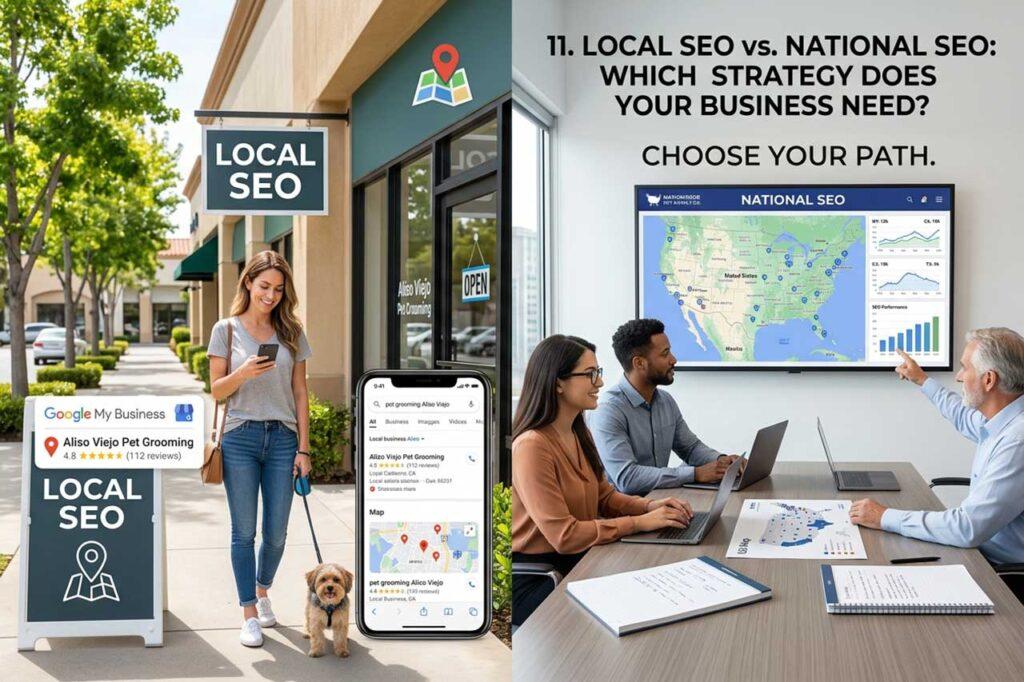
When someone searches for a personal injury attorney or a divorce lawyer, they almost always want someone nearby. Google knows this and heavily features the “local pack”—the map and three business listings shown at the top of local search results. Appearing in this coveted spot drives massive phone call volume.
Your Google Business Profile serves as the engine for local visibility. Claim your profile and fill out every available field meticulously. Ensure your firm’s name, address, and phone number match exactly with what is listed on your website and other directories across the internet. Inconsistencies confuse search engines and damage your local rankings.
Client reviews play a massive role in local pack placement. You need a systematic approach to gathering positive feedback from satisfied clients. Create a simple process where your team requests a review at the successful conclusion of a case. Reply to every single review you receive, thanking clients for positive feedback and addressing any negative comments professionally. Active review management shows Google that your firm is responsive and trustworthy.
Structuring high-converting practice-area pages
A common mistake law firms make is creating thin, unhelpful practice-area pages. Simply stating that you handle car accidents and providing a contact form will not earn you a spot on the first page. Your practice-area pages need to serve as comprehensive resources that answer the searcher’s underlying questions.
Start by defining the exact legal process a potential client faces. Break down the steps involved in filing a claim, the timeline they can expect, and the potential hurdles they might encounter. Use clear, accessible language rather than dense legal jargon. A person seeking help after a workplace injury wants reassurance and clarity, not a complicated legal lecture.
Integrate strategic calls to action throughout the page. Do not force users to scroll all the way to the bottom to find your phone number. Place secure contact forms, click-to-call buttons, and live chat options in highly visible areas. Make it incredibly easy for a stressed, overwhelmed prospect to reach out for a consultation the moment they decide you are the right fit.
The exact keyword framework we use for legal clients
Selecting the right keywords dictates the entire trajectory of your campaign. Many law firms obsess over massive, highly competitive terms like “lawyer” or “attorney,” which rarely convert well on their own. We utilize a targeted, intent-based keyword framework to capture prospects at every stage of their search journey.
First, we target bottom-of-the-funnel keywords. These are queries made by people ready to hire legal counsel immediately. Examples include “Los Angeles criminal defense lawyer” or “truck accident attorney near me.” These phrases have lower search volume but exceptionally high conversion rates. We optimize your core practice-area pages and local listings to capture this urgent traffic.
Next, we address middle-of-the-funnel keywords. These searchers realize they have a legal problem but are still exploring their options or trying to understand their rights. Queries might look like “what happens at a child custody hearing” or “how to calculate pain and suffering.” We capture this audience by creating detailed blog posts and FAQ sections. By providing valuable answers early in their research phase, you build trust and position your firm as the natural choice when they are finally ready to hire representation.
Frequently asked questions about legal SEO
How long does SEO take to show results for a law firm?
Search engine optimization is a long-term strategy. For a new legal website, it typically takes anywhere from six to twelve months to see significant improvements in organic traffic and lead generation. In highly saturated markets, the timeline can extend further. Consistent, high-quality effort compounds over time, eventually creating a sustainable pipeline of new cases.
Does my law firm actually need a blog?
Yes, a blog is highly recommended. It allows you to target those middle-of-the-funnel, long-tail keywords that your main practice-area pages cannot cover naturally. An updated blog also signals to search engines that your site is active and consistently providing fresh, relevant information to users.
Are backlinks still important in 2026?
Absolutely. Backlinks from reputable, high-authority websites act as votes of confidence for your law firm. Getting mentioned in local news outlets, legal directories, and respected community organizations tells search engines that your firm is an established, trusted entity in your specific geographic area.
Ready to transform your firm's digital presence?
Achieving online dominance in the legal sector requires persistence, technical expertise, and an unwavering commitment to quality. The strategies outlined above—strict adherence to YMYL guidelines, aggressive local optimization, robust page structuring, and intelligent keyword mapping—form the blueprint for long-term growth.
Over the past decade, we have helped businesses generate over $60 million in revenue by treating SEO as a precise science rather than a guessing game. If you want to stop losing high-value cases to competitors with better search visibility, you need a specialized team in your corner. Request a free strategy review today, and let us show you exactly how to capture the market share your firm deserves.