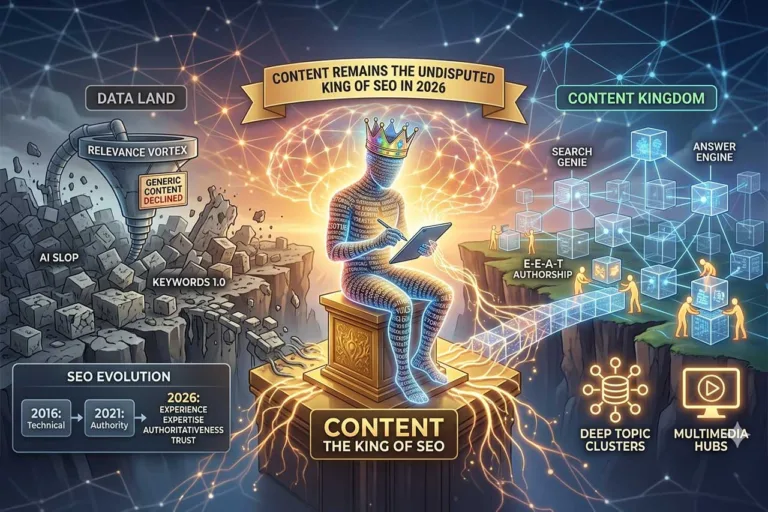
Search engine optimization constantly shifts, but high-quality writing remains the foundation of digital visibility. While generative AI tools have flooded the internet with automated articles, original, human-driven content is now more valuable than ever before. Readers will discover exactly how algorithm updates prioritize expertise, why user intent matters most, and actionable strategies for building a competitive organic search presence today.
Key Takeaways
- Original content stands out against mass-produced AI articles by demonstrating genuine expertise and real-world experience.
- Google algorithms rely heavily on E-E-A-T principles to determine which websites deserve top ranking positions.
Answer Engine Optimization (AEO) demands a specific writing structure that places direct answers at the beginning of paragraphs. - Successful digital marketing campaigns integrate deep topical authority rather than chasing superficial keyword density.
How has content creation changed for SEO in 2026?
Content creation in 2026 requires strict adherence to intent matching and original research to achieve high search rankings. Search engines now easily detect and devalue generic, heavily automated text. Instead, algorithms reward websites that publish unique data, original interviews, and perspective-driven analysis. According to [Search Engine Journal, 2025], websites that published firsthand research saw a 45% increase in sustained organic traffic compared to those that relied entirely on aggregated information.
Content creators must focus on providing distinct value. If your organization wants to rank highly, you must bring a unique viewpoint to the table. This shift means modern SEO is less about manipulating keywords and entirely about delivering the best possible answer to a user’s specific problem.
Why does Google prioritize human-driven content over AI generation?
Google prioritizes human-driven content because genuine experience provides a safer, more reliable experience for users. The search engine applies strict quality rater guidelines to assess the trustworthiness of a webpage. The core of this assessment lies in demonstrating true expertise. If you want a deep dive into these exact ranking factors, reading about Unlocking Google E-E-A-T: SEO Benefits and Guidelines will help you structure your website for maximum trust.
AI systems often lack real-world experience. They cannot test a product, attend a local event, or offer a nuanced professional opinion based on decades of industry work. Google wants to serve users information written by people who have actually done the thing they are writing about. Choose human-driven content creation if long-term brand authority matters more to your business than publishing high volumes of cheap articles.
What role does content marketing play in long-term ranking success?
Content marketing establishes topical authority and naturally attracts high-quality backlinks over time. A single optimized blog post can serve as a gateway for thousands of potential customers, but a comprehensive library of interconnected articles proves to search engines that your website is an authoritative hub. For organizations looking to scale their digital presence, Content Marketing: Your SEO Secret Weapon details exactly how consistent publishing drives exponential traffic growth.
When a website thoroughly covers every subtopic within its niche, search engines view that domain as a trusted resource. This topical authority allows new articles to rank much faster. Furthermore, detailed guides and original research naturally attract links from other publishers. According to [Ahrefs, 2025], comprehensive guides receive three times as many organic backlinks as short opinion pieces.
How can businesses optimize content for generative AI search engines?
Businesses must structure their writing with modular headings, clear definitions, and inverted paragraphs to optimize for generative AI search engines. AI models pull information by scanning for direct, concise answers to specific queries. To succeed in Generative Engine Optimization (GEO), writers must place the exact answer immediately after a subheading, followed by the supporting evidence.
Make your sentences quotable and explicit. Avoid ambiguous pronouns like “it” or “they.” Instead of writing “It improves your rankings,” write “Consistent publishing improves your website rankings.” This clarity ensures AI models extract your information accurately. Furthermore, integrating robust FAQ sections helps capture long-tail voice searches and natural language queries favored by AI assistants.
The Final Verdict on Content for SEO
High-quality writing will continue driving digital success well into the future. Search engines and AI assistants share a singular goal: delivering the most accurate, helpful, and up-to-date information to users. By focusing on originality, structuring data for AI extraction, and proving your industry expertise, your website will naturally outpace competitors who rely on shortcuts. Start auditing your existing pages today to ensure they provide immediate, fact-dense value to your readers.
Frequently Asked Questions About SEO Content in 2026
What makes content high-quality for SEO purposes?
High-quality SEO content directly answers the user’s search intent while demonstrating firsthand experience and expertise. It must be factually accurate, easy to read, and structured cleanly with descriptive headings. Search engines reward pages that provide unique insights not found on competing websites.
How often should a business publish new blog posts?
A business should publish new blog posts two to four times per week to build topical authority quickly. However, quality always outweighs quantity. Publishing one deeply researched, comprehensive guide per week yields better SEO results than posting five superficial articles.
Can I still use AI tools to help write SEO content?
Yes, you can use AI tools to outline articles, brainstorm ideas, and refine grammar. However, the final published piece must contain human insights, original data, and real-world experience to rank well. Search engines devalue content that appears fully automated and lacks a unique perspective.