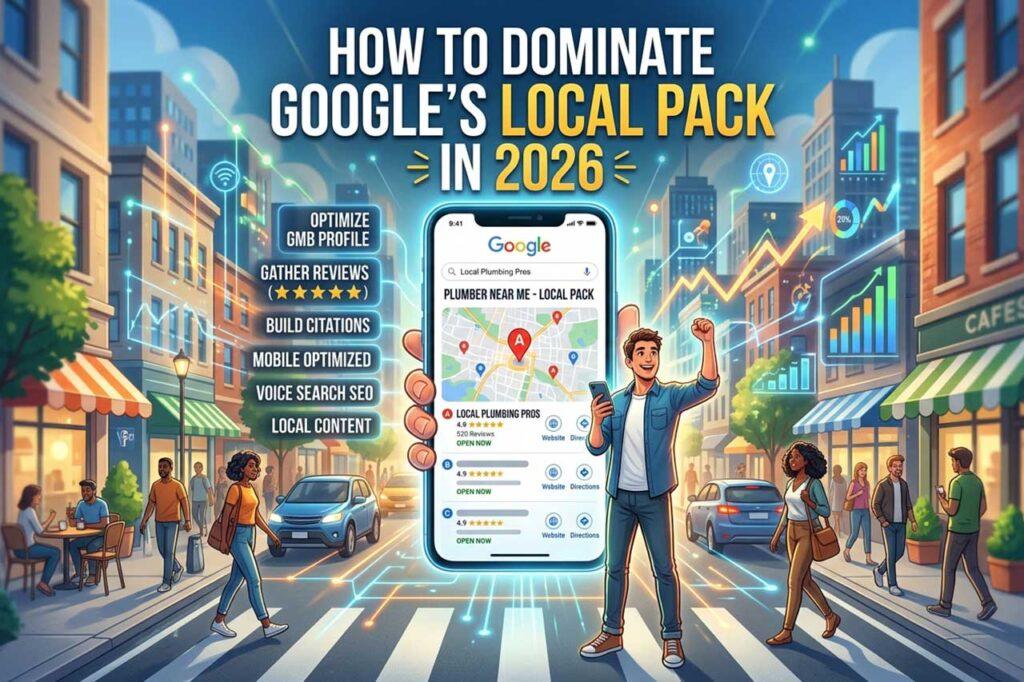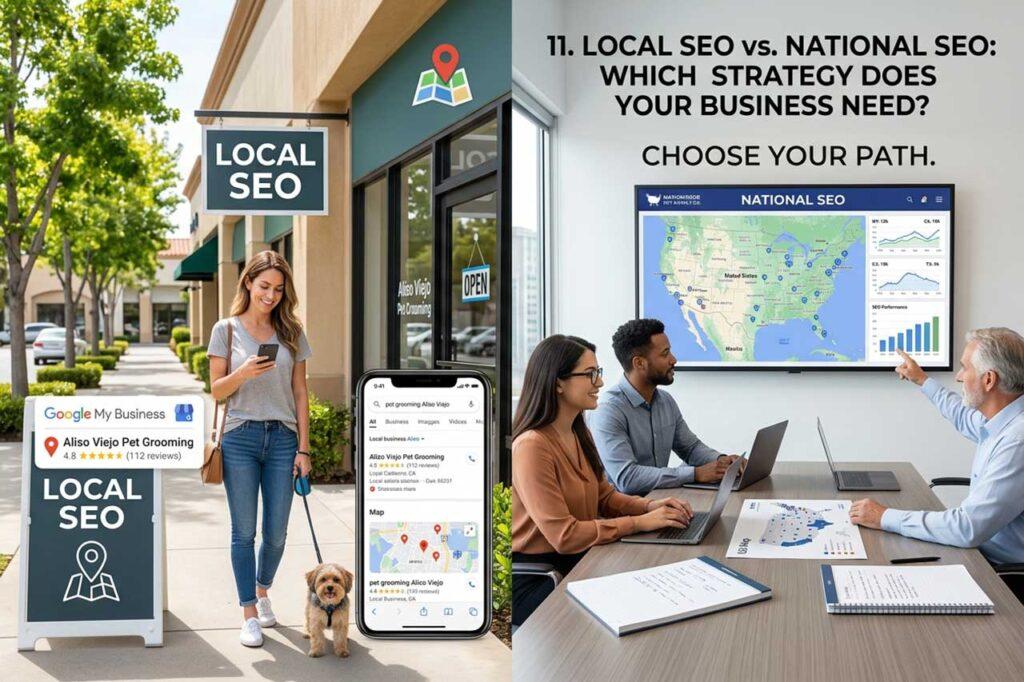

Uncover the top benefits of local SEO. Enhance online visibility, attract local customers, and expand your business with proven strategies. When was the last time you searched for a “coffee shop near me” or a “plumber in [your city]”? If the answer is “recently,” you’re not alone. According to recent studies, over 46% of Google searches involve seeking local information. Now more than ever, local businesses need to harness the power of local SEO to ensure they’re appearing in these highly targeted search results.
Whether you’re a small café, a boutique store, or a service provider, prioritizing local SEO could be the key to standing out in your local community. This blog explores the benefits of local SEO, why it’s essential for your business, and actionable steps you can take to optimize for local searches.
Why Local SEO Matters
What is Local SEO?
Local SEO (Search Engine Optimization) refers to the process of enhancing your online presence to attract more business from relevant local search queries. These searches often include geographical qualifiers, such as city names or phrases like “near me.” For instance, “best pizza in Dallas” or “hair salons near me.”
Local SEO involves optimizing your website, Google Business Profile (formerly Google My Business), and online directories to ensure that your target audience can easily find your business when performing location-specific searches.
The Growing Importance of Local Search
Studies show that local searches are not only increasing, but they also lead to action much faster. According to Google, 76% of people who search for something nearby on their phones visit a physical location within one day. Even more impressive, 28% of those searches result in a purchase.
Numbers like these underscore why local SEO is no longer just a nice-to-have; it’s a necessity.
The Benefits of Local SEO
1. Improves Local Visibility
When your business appears at the top of Google’s local pack, maps results, or organic search results, it increases your visibility among potential customers in your area. This can lead to more foot traffic, phone calls, or website visits.
For example, if you run a bakery in Portland and someone searches for “fresh croissants near me,” local SEO helps ensure your business is one of the first and most prominent results they see.
2. Drives Targeted Website Traffic
Unlike generic SEO, local SEO focuses on specific audiences within your community who are actively seeking the services or products you offer. This means the traffic driven to your site is highly relevant, increasing the likelihood of conversions.
For instance, a boutique clothing store optimized for “women’s clothing in Charleston” will attract visitors who are specifically looking for what the store offers, increasing the chances of immediate sales.
3. Builds Trust and Authority
Appearing in local search results and on Google Maps increases your business’s credibility. When your information is consistent across platforms and accompanied by positive reviews, it signals to prospective customers that you are a reliable and trustworthy business.
For example, a 4.8-star rating on Google combined with frequent check-ins and reviews builds confidence among new customers who find your listing.
4. Enhances Mobile Engagement
The majority of local searches come from mobile devices. By optimizing for local SEO, you’re not only improving desktop search results but catering to the growing trend of on-the-go searches. Mobile-friendly websites with clear directions, click-to-call buttons, and fast load times will win over potential customers.
5. Encourages Foot Traffic and Sales
Local SEO goes beyond online visibility; it drives real-world results. By showing up in nearby searches, you can encourage more customers to visit your physical store or office.
For example, a quick-service restaurant showing up as “open now” in a “lunch spots near me” search is much more likely to get immediate business.
6. Affordable Strategy with High ROI
Compared to traditional advertising methods, such as print ads or billboards, local SEO is significantly more cost-effective. Once your local SEO strategy is in place, the results are continuous and self-sustaining, offering an excellent return on investment (ROI).
How You Can Optimize for Local SEO
Now that we’ve covered the benefits, here are actionable steps to boost your rankings and leverage all that local SEO has to offer.
Step 1. Claim and Optimize Your Google Business Profile
Your Google Business Profile is a vital component of local SEO. Claiming your profile allows you to display your:
- Business name
- Address
- Phone number
- Hours of operation
- Photos of your business
Pro Tip: Don’t forget to keep your information consistent across all platforms to avoid confusing Google’s ranking algorithms.
Step 2. Use Local Keywords
Perform keyword research to find location-specific terms that your customers are likely to use. Examples might include:
- “dentist in Miami”
- “best coffee shops Chicago”
- “emergency plumber Atlanta”
Be sure to incorporate these keywords naturally into your website’s metadata, headings, and content.
Step 3. Encourage Customer Reviews
Positive reviews on Google, Yelp, or Facebook can greatly influence a customer’s decision-making process. Encourage satisfied customers to leave honest reviews and respond promptly (and professionally) to both negative and positive feedback.
Step 4. Create Localized Content
Publishing blog posts relevant to your area or community can help drive traffic while showcasing your expertise. Content ideas could include:
- Weather-specific tips (“Preparing Your Roof for Winter in Denver”)
- Guides to local events (“Top 5 Festivals in Austin This Summer”)
- Customer success stories based in your area.
Step 5. Build Citations
Citations are mentions of your business name and address on other credible websites like business directories (e.g., Yelp, TripAdvisor). Ensure your citations are accurate and consistent to boost your local online presence.
Step 6. Optimize for Voice Search
With voice assistants like Alexa and Siri becoming more common, many people now search using voice rather than typing. To optimize, focus on conversational, long-tail keywords often used in questions, such as:
- “Where is the nearest sushi restaurant?”
- “What are the best-rated hair salons in San Diego?”
Elevate Your Business with Local SEO Strategies
Investing in local SEO is no longer optional; it’s essential for businesses aiming to remain competitive in their local community. By optimizing for local search, you’re not just reaching prospective customers, but actively driving foot traffic, improving sales, and building trust among your audience.
Start small by claiming your Google Business Profile and encouraging reviews, and grow your strategy with tools like keyword research and localized content. With consistent effort, you’ll see the real-world results of enhanced visibility and customer engagement.