Los Angeles businesses face unique digital marketing challenges. From competing with entertainment giants on Sunset Boulevard to standing out among thousands of local restaurants, shops, and service providers, getting noticed online requires staying ahead of search engine optimization trends.
The SEO landscape changes rapidly, and what worked last year might hurt your rankings today. Google processes over 8.5 billion searches daily, and algorithm updates can dramatically shift how your business appears in results. For LA businesses targeting both local customers and broader markets, understanding these changes isn’t optional—it’s essential for survival.
This guide covers the ten most important SEO trends shaping how Los Angeles businesses should approach their digital marketing strategies. Whether you’re running a boutique in Beverly Hills, a tech startup in Santa Monica, or a restaurant in Downtown LA, these insights will help you attract more customers and grow your online presence.
Must-Know SEO Trends for Los Angeles Businesses in 2025
Discover the top 10 SEO trends shaping the digital landscape for Los Angeles businesses in 2025. From local search optimization to AI-driven strategies, stay ahead of the competition with actionable insights tailored to the unique needs of LA’s dynamic market.
1. AI-Powered Content Creation and Optimization
Artificial intelligence has transformed how businesses create and optimize content. Google’s AI systems now better understand content quality, user intent, and semantic relationships between topics. This shift means LA businesses can leverage AI tools to scale their content production while maintaining quality.
Smart businesses use AI to identify content gaps, generate topic ideas, and optimize existing pages. However, the key is combining AI efficiency with human creativity and local expertise. A Venice Beach surf shop, for example, can use AI to research trending surf-related keywords while adding authentic local insights that only come from years of experience serving the LA surfing community.
The most successful approach involves using AI for research and first drafts, then having human experts add personality, local knowledge, and brand voice. This hybrid method produces content that ranks well and genuinely connects with your LA audience.
2. Voice Search Optimization for Local Queries
Voice search continues to grow, with over 50% of adults using it daily. Los Angeles residents increasingly ask their phones and smart speakers questions like “best tacos near me” or “dentist open Sunday in Pasadena.”
Voice searches typically use conversational, question-based language. Instead of typing “Italian restaurant Beverly Hills,” people ask, “What’s the best Italian restaurant in Beverly Hills?” This shift requires LA businesses to optimize for natural language patterns and question-based keywords.
Create FAQ sections addressing common voice search queries about your business. Include location-specific information and conversational phrases your customers actually use. A hair salon in West Hollywood might optimize for “Where can I get highlights in WeHo?” rather than just “hair salon West Hollywood.”
3. Core Web Vitals and Page Experience Signals
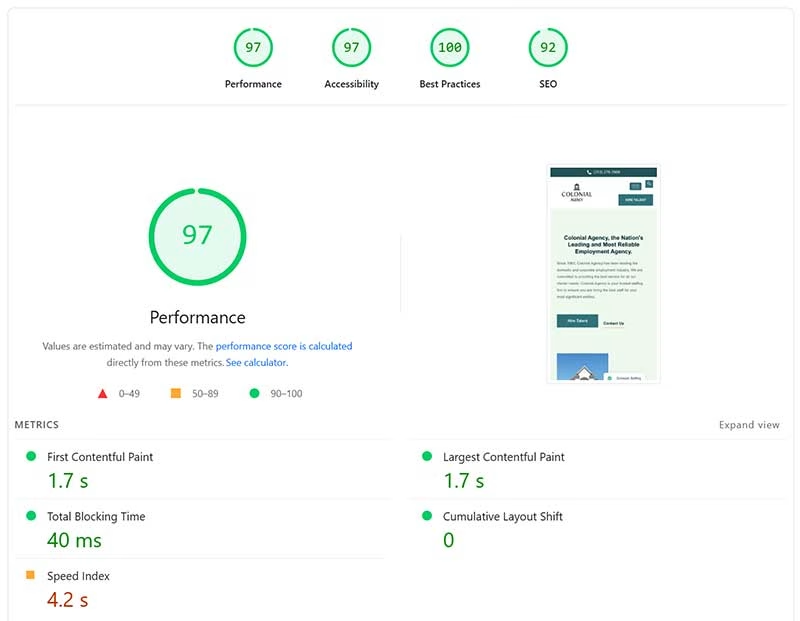
Google’s Core Web Vitals measure real user experience through loading speed, interactivity, and visual stability. These metrics directly impact search rankings, making technical performance crucial for LA businesses competing in crowded markets.
The three main Core Web Vitals are Largest Contentful Paint (loading), First Input Delay (interactivity), and Cumulative Layout Shift (visual stability). Poor performance in any area can hurt your rankings, especially for mobile users browsing while stuck in LA traffic.
Optimize images, minimize JavaScript, and use reliable hosting to improve these metrics. Many LA businesses lose potential customers because their websites load slowly on mobile devices. A restaurant with a slow-loading menu page might lose hungry customers to faster competitors during peak dining hours.
4. E-A-T (Expertise, Authoritativeness, Trustworthiness)
Google prioritizes content demonstrating expertise, authoritativeness, and trustworthiness. For LA businesses, this means showcasing credentials, building industry recognition, and maintaining consistent, accurate information across all platforms.
Healthcare practices, legal firms, and financial services in Los Angeles must particularly focus on E-A-T signals. Include author bios, professional certifications, and links to authoritative sources. A Beverly Hills dermatologist should highlight their medical credentials, board certifications, and published research.
Build authority through guest posting on reputable LA publications, earning mentions from local news outlets, and participating in industry events. The Hollywood Chamber of Commerce, LA Business Journal, and other local organizations can provide valuable backlinks and credibility signals.
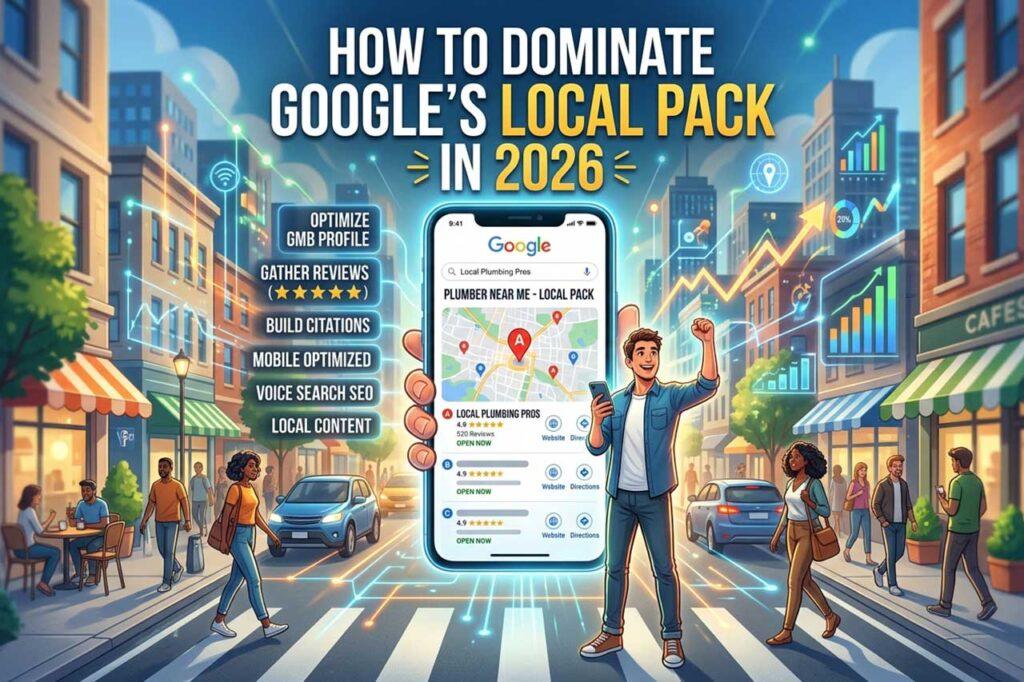
5. Local SEO and Google Business Profile Optimization
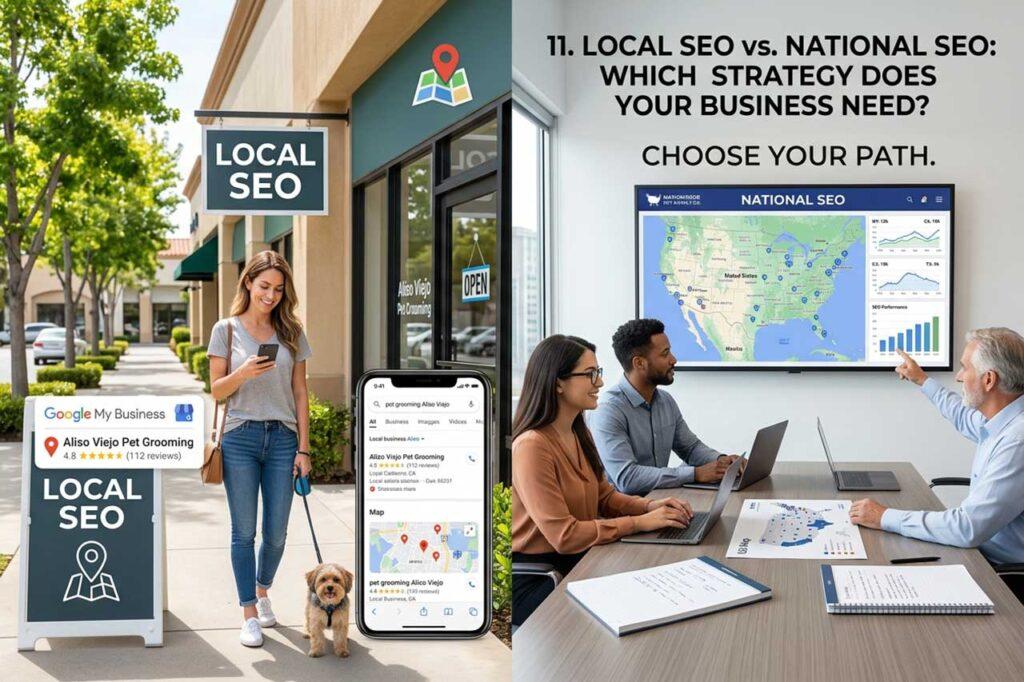
Local SEO remains critical for LA businesses serving specific neighborhoods or regions. With millions of residents spread across diverse communities, appearing in local search results can make or break your business.
Optimize your Google Business Profile with accurate hours, photos, and regular posts. Encourage satisfied customers to leave reviews, and respond professionally to all feedback. A Koreatown restaurant with consistently updated photos and recent customer reviews will outrank competitors with outdated profiles.
Use location-specific keywords naturally throughout your content. Instead of just targeting “personal trainer,” focus on “personal trainer Manhattan Beach” or “fitness coach Santa Monica.” Include neighborhood names, local landmarks, and area-specific information that demonstrates your connection to the community.
6. Video Content Integration for Better Engagement
Video content has a significant impact on SEO performance and user engagement. YouTube is the world’s second-largest search engine, and Google often features video results for relevant queries. LA businesses can leverage this trend by creating valuable video content.
Produce videos showcasing your products, explaining services, or highlighting customer success stories. A Melrose Avenue boutique might create styling videos, while a Culver City auto repair shop could produce maintenance tutorials. Optimize video titles, descriptions, and thumbnails for both YouTube and Google search.
Embed videos on your website to increase time on page and reduce bounce rates. These user experience signals help search engines understand that visitors find your content valuable and engaging.
7. Featured Snippets and Zero-Click Searches
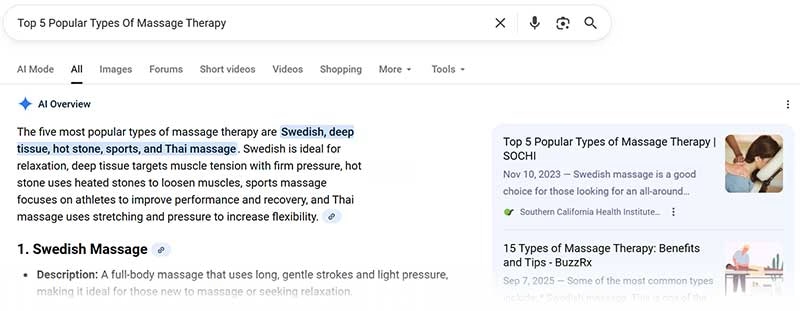
Featured snippets appear at the top of search results, providing users with quick answers to their questions. While these “zero-click” searches might seem problematic, they can significantly increase brand visibility and establish your business as an industry authority.
Structure content to answer specific questions clearly and concisely. Use numbered lists, bullet points, and clear headings to make information easily scannable. A Beverly Hills real estate agent might optimize for snippets answering “How much does a house cost in Beverly Hills?” or “What neighborhoods are best for families in LA?”
Monitor which snippets you currently rank for and identify opportunities to capture more. Tools like SEMrush or Ahrefs can show featured snippet opportunities for your industry and location.
8. Mobile-First Indexing Optimization
Google now uses mobile-first indexing, meaning the mobile version of your website determines your search rankings. With LA’s car-centric culture and heavy mobile usage during commutes, mobile optimization is essential.
Ensure your website loads quickly on mobile devices and provides an excellent user experience. Buttons should be easily tappable, text should be readable without zooming, and navigation should be simple and intuitive. A restaurant website should make it easy for hungry customers to find the menu, location, and contact information on their phones.
Test your website regularly on various mobile devices and screen sizes to ensure optimal performance. What looks perfect on your desktop might be completely unusable on a smartphone, costing you potential customers and search rankings.
9. Semantic Search and Topic Clusters
Google’s understanding of search intent has become increasingly sophisticated. The search engine now recognizes relationships between topics and can understand context better than ever before. This evolution requires LA businesses to think beyond individual keywords and focus on comprehensive topic coverage.
Create topic clusters around your main services or products. A Century City law firm specializing in entertainment law might create clusters covering contract negotiations, intellectual property, talent representation, and industry regulations. Each piece of content should link to related topics, creating a web of authoritative information.
Use tools like Google’s “People Also Ask” section to identify related questions and subtopics. This approach helps you capture traffic for various related searches while establishing your expertise across your entire industry vertical.
10. Privacy-First Analytics and Tracking
Growing privacy concerns and changing regulations are affecting how businesses track their SEO performance. California’s privacy laws and browser changes, such as the elimination of third-party cookies, require new approaches to analytics and user tracking.
Implement privacy-compliant tracking solutions that still provide valuable SEO insights. Google Analytics 4 offers improved privacy features while maintaining useful performance data. Focus on first-party data collection through email subscriptions, customer accounts, and direct engagement.
Consider server-side tracking and privacy-focused analytics alternatives. These solutions help you understand user behavior and SEO performance while respecting visitor privacy and complying with regulations.
Implementing These Trends for LA Business Success
Successfully implementing these SEO trends requires a strategic approach tailored to your specific LA market and business goals. Start by auditing your current SEO performance and identifying which trends offer the biggest opportunities for improvement.
Prioritize trends that align with your target audience’s behavior. A Downtown LA B2B service might focus heavily on E-A-T and professional content, while a Venice Beach retail shop might emphasize local SEO and visual content.
Don’t try to implement everything at once. Choose two or three trends that offer the highest potential impact and execute them thoroughly before moving to others. Quality implementation of a few strategies beats superficial attempts at everything.
Monitor your results regularly and adjust your approach based on performance data. SEO trends continue to evolve, and successful LA businesses stay flexible while maintaining a focus on providing genuine value to their customers.
These ten trends represent the current state of SEO best practices; however, staying informed about future developments ensures that your Los Angeles business maintains its competitive edge in an ever-changing digital landscape.