Digital marketing is defined as the use of online channels to promote products and services, and for California businesses, choosing the right mix of these channels directly determines competitive survival. Over 35 million Californians use the internet actively, and more than 80% are on social media. That scale makes California one of the most digitally saturated markets in the world. The types of digital marketing California businesses deploy — from SEO and PPC to influencer and email marketing — must be selected with precision, not guesswork. This guide breaks down each channel, explains what it does, and tells you when to use it.
1. Types of digital marketing California businesses rely on most
Before going deep on each channel, it helps to see the full picture. Digital marketing for California businesses spans six primary disciplines: search engine optimization (SEO), pay-per-click advertising (PPC), social media marketing, content marketing, email marketing, and influencer or affiliate marketing. Each serves a distinct purpose in your growth funnel.
Businesses investing in digital marketing in California reported a 40% increase in website traffic within a year. That result does not come from one channel alone. It comes from a coordinated strategy where each type of online marketing reinforces the others. The sections below explain exactly how each one works and where it fits.

2. Search engine optimization (SEO)
SEO is the practice of improving your website’s content, structure, and authority so it ranks higher in Google and other search engine results without paying for placement. For California businesses, this is the foundation of long-term online visibility.
Modern SEO focuses on user intent, relevance, and user experience rather than keyword density. That means writing content that genuinely answers what your customers are searching for, loading your site fast, and earning links from credible sources. A plumbing company in San Diego and a tech startup in San Francisco both benefit from SEO, but their keyword strategies and content formats will look completely different.
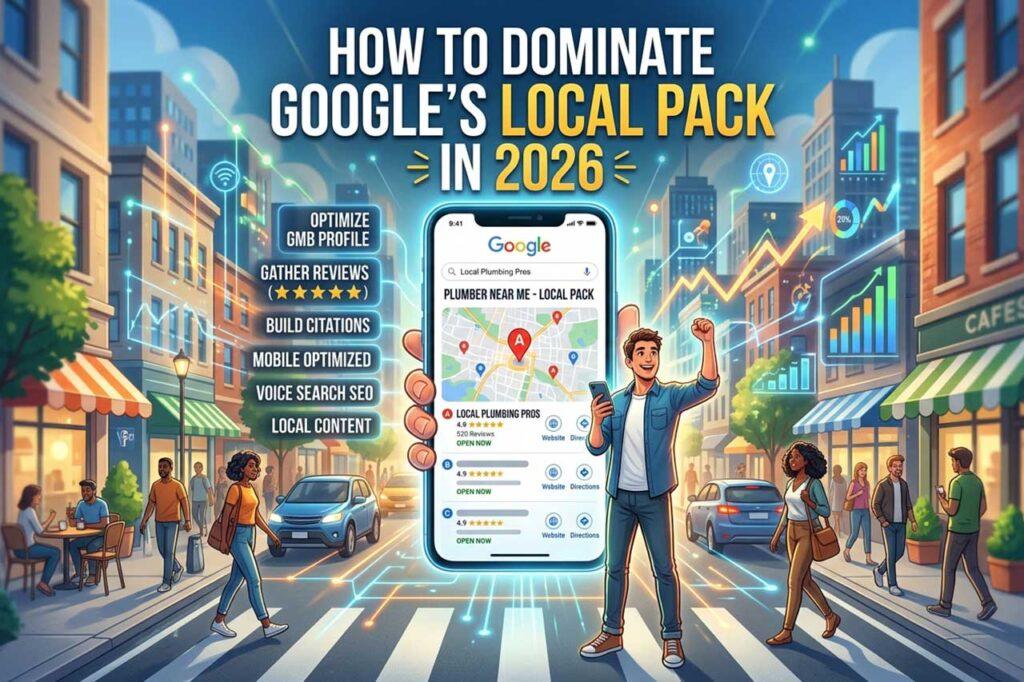
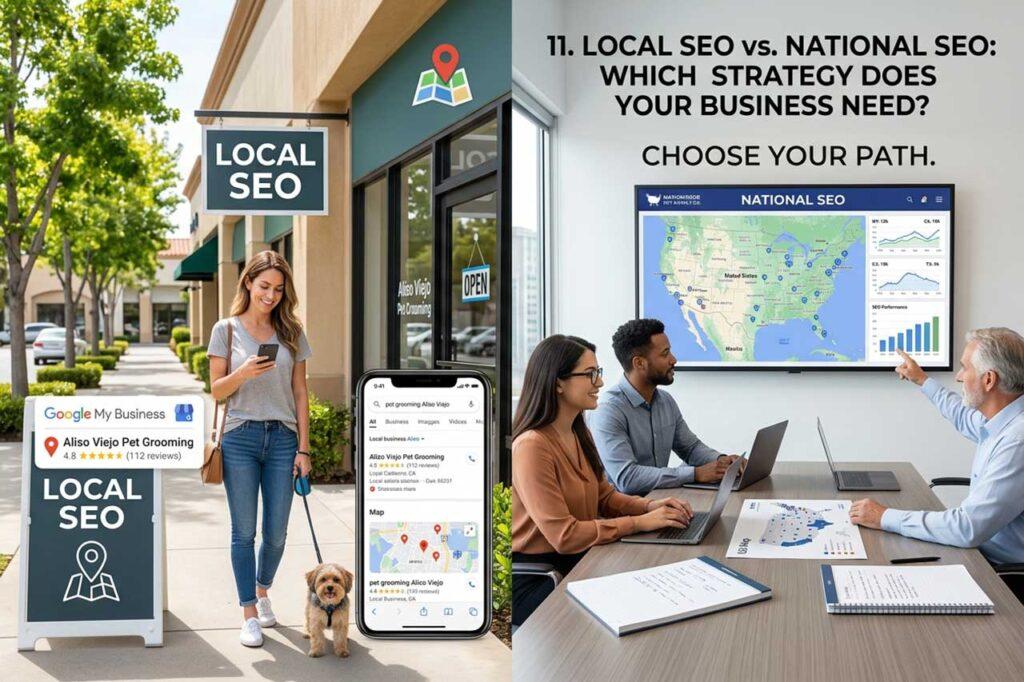
Local SEO is especially powerful for California’s diverse communities. Optimizing your Google Business Profile, earning local citations, and building location-specific landing pages helps you appear in searches like “best accountant in Sacramento” or “Los Angeles web design agency.” These searches carry high purchase intent.
- Optimize title tags, meta descriptions, and headers with location-specific terms
- Build backlinks from California-based publications, directories, and industry sites
- Publish content that answers specific questions your local customers ask
- Audit site speed and mobile performance regularly since Google uses both as ranking signals
Pro Tip: SEO is not a one-time project. Treat it as an ongoing investment. Businesses that publish new content consistently and update existing pages quarterly outperform those that optimize once and stop.
3. Pay-per-click (PPC) advertising
PPC advertising places your business at the top of search results or across display networks immediately, and you pay only when someone clicks. PPC delivers fast, targeted traffic through platforms like Google Ads and Microsoft Advertising, making it the fastest route to visibility in competitive California markets.
The core advantage of PPC over organic methods is speed. While SEO builds authority over months, a well-configured Google Ads campaign can generate qualified leads within 48 hours of launch. For California e-commerce brands, service businesses, and seasonal promoters, that speed is often worth the cost-per-click.
PPC targeting options give you precise control over who sees your ads:
- Keyword targeting: Appear when users search specific terms like “Los Angeles HVAC repair”
- Geographic targeting: Limit ads to specific California cities, zip codes, or radius around your location
- Demographic targeting: Filter by age, income, or household status on Google’s Display Network
- Remarketing: Re-engage users who visited your site but did not convert
Industries in California where PPC performs especially well include real estate, legal services, home improvement, and e-commerce. These sectors have high customer lifetime value, which justifies a higher cost-per-click.
Pro Tip: Combine PPC with SEO for balanced visibility. Use PPC to capture demand while your SEO authority builds. Once organic rankings improve for a keyword, you can reduce paid spend on that term and reallocate budget to new targets.
4. Social media marketing
Social media marketing is the use of platforms like Instagram, Facebook, LinkedIn, and X (formerly Twitter) to build brand awareness, engage your audience, and drive traffic or sales. In California, where social media usage exceeds 80% of the population, this channel is not optional.
California businesses are shifting from volume-based posting to credibility-driven content. Educational posts, behind-the-scenes content, and authentic brand storytelling outperform promotional blasts in both reach and engagement. A Los Angeles restaurant sharing kitchen prep videos on Instagram builds more trust than one posting daily discount announcements.
Organic reach on Facebook and Instagram has declined significantly over the past five years. Paid social ads now play a critical role in amplifying content to new audiences. Combining organic posting with targeted paid promotion gives California businesses the best return from social channels.
- Use Instagram and TikTok for visual and lifestyle brands targeting younger California demographics
- Use LinkedIn for B2B companies targeting professionals in Silicon Valley, Los Angeles, or San Diego
- Respond to comments and direct messages consistently since engagement signals boost algorithmic reach
- Run A/B tests on ad creative and copy to identify what resonates with your specific California audience
5. Content marketing
Content marketing is the creation and distribution of blogs, videos, guides, podcasts, and other media that educate your audience and build your brand’s authority over time. It is the fuel that powers both SEO and social media marketing.
For California businesses, localized content performs particularly well. A real estate agency publishing a guide titled “First-Time Homebuyer’s Guide to the Los Angeles Market” attracts highly qualified local traffic that generic content never reaches. Content that addresses specific California regulations, local market conditions, or regional consumer behavior signals genuine expertise.
The connection between content marketing and SEO is direct. Every well-optimized blog post is a new entry point for organic search traffic. A business publishing two quality posts per month compounds its search visibility over time in a way that paid advertising alone cannot replicate.
6. Email marketing
Email marketing is the practice of sending targeted messages directly to subscribers’ inboxes to nurture leads, retain customers, and drive repeat purchases. Email remains one of the most cost-effective channels for direct customer communication, delivering strong ROI relative to most other digital tactics.
Automation and segmentation are what separate effective email programs from spam. Tools like Mailchimp, Klaviyo, and HubSpot allow California businesses to send the right message to the right subscriber at the right time. A welcome sequence for new subscribers, a re-engagement campaign for inactive customers, and a post-purchase follow-up series each serve different goals within the same program.
| Channel | Primary Strength | Best Use Case |
|---|---|---|
| Email marketing | Direct, personalized communication | Lead nurturing and customer retention |
| Content marketing | Authority building and organic reach | Long-term SEO and audience education |
| Social media marketing | Brand awareness and engagement | Community building and paid amplification |
Pro Tip: Use data analytics to optimize both content and email timing. Track open rates, click-through rates, and conversion data by segment. California audiences in different industries respond at different times. Test send times by day and hour before committing to a fixed schedule.
7. Influencer and affiliate marketing
Influencer marketing uses trusted personalities with established audiences to promote your brand authentically. Affiliate marketing rewards external partners for driving traffic or sales through tracked referral links. Both are especially effective in niche and lifestyle markets, which California has in abundance.
California’s lifestyle, fashion, fitness, food, and tech sectors are built for influencer marketing. A San Francisco-based wellness brand partnering with a Bay Area fitness influencer reaches a pre-qualified audience that already trusts the messenger. That trust transfers to the brand in a way that display advertising rarely achieves.
Affiliate marketing works differently. Rather than paying upfront for exposure, you pay a commission only when a partner drives a measurable result, such as a sale or a lead. This performance-based structure makes affiliate programs low-risk for California businesses testing new acquisition channels.
Choosing the right partners matters more than the size of their following. A micro-influencer with 15,000 highly engaged followers in a specific California niche often outperforms a celebrity with 500,000 passive followers.
Pro Tip: Start with micro-influencers to test market response before committing to larger partnerships. Negotiate a small paid post or product exchange first, measure engagement and conversion data, and scale only what works.
Key takeaways
Effective digital marketing for California businesses requires a coordinated mix of SEO, PPC, social media, content, email, and influencer marketing rather than reliance on any single channel.
| Point | Details |
|---|---|
| SEO builds long-term authority | Invest in ongoing optimization and localized content to rank in California-specific searches. |
| PPC delivers immediate traffic | Use Google Ads for fast visibility while organic rankings develop over time. |
| Social media requires paid amplification | Organic reach alone is insufficient; combine posting with targeted paid social ads. |
| Email marketing drives retention | Segmentation and automation in tools like Mailchimp or Klaviyo maximize ROI from existing customers. |
| Focus beats breadth | Mastering three to four core channels consistently outperforms spreading effort across all types at once. |
What I've learned about building digital marketing strategies that actually last
After working with California businesses across industries ranging from e-commerce in Los Angeles to professional services in the Bay Area, the most consistent mistake I see is the attempt to do everything at once. Business owners read about SEO, PPC, social media, email, and influencer marketing, and they try to activate all five simultaneously with limited budget and bandwidth. The result is mediocre execution across the board.
Integrated digital marketing is stronger than running strategies separately, but integration requires depth in each channel before you connect them. My recommendation is always to pick two or three channels where your audience is most active and commit to genuine quality there first. A law firm in San Diego does not need TikTok. A fashion brand in Los Angeles probably does not need LinkedIn. Channel selection should follow your customer, not marketing trends.
California’s demographic diversity is also underestimated as a strategic variable. What works in Orange County does not automatically work in Oakland. Localized messaging, culturally aware content, and community-specific influencer partnerships consistently outperform generic statewide campaigns. The businesses I have seen grow most sustainably are the ones that treat California not as one market but as a collection of distinct communities, each requiring its own voice.
Measure everything, but do not let measurement paralyze you. Set 90-day benchmarks, review performance honestly, and adjust. The businesses that win in California’s digital market are not the ones with the biggest budgets. They are the ones that stay consistent, stay specific, and keep refining.
— Sasan Raeisi
Grow your California business with expert digital marketing
California’s digital market rewards businesses that execute with precision and consistency. If you are ready to move beyond trial and error, Los Angeles SEO Inc delivers SEO, PPC, and social media marketing strategies tailored to California’s competitive environment.
Los Angeles SEO Inc combines local market expertise with data-driven execution to help California businesses increase organic traffic, reduce cost per acquisition, and build lasting online authority. Whether you are a small business in Riverside or a growing brand in San Francisco, the team at Los Angeles SEO Inc builds programs that match your market, your budget, and your growth goals. Contact us to get a strategy review tailored to your business.
FAQ
What are the main types of digital marketing for California businesses?
The main types are SEO, PPC advertising, social media marketing, content marketing, email marketing, and influencer or affiliate marketing. Each serves a distinct role in building visibility, generating leads, and retaining customers.
How many digital marketing channels should a California business focus on?
Experts recommend focusing on three to four core channels rather than attempting all types at once. Depth and consistency in fewer channels produces better results than shallow execution across many.
Is SEO or PPC better for California small businesses?
SEO builds long-term authority at lower ongoing cost, while PPC delivers immediate traffic with direct spend. Most California small businesses benefit from starting with local SEO and adding PPC for competitive keywords or seasonal promotions.
Why is local SEO important for California businesses?
Local SEO helps businesses appear in geographically specific searches, which carry high purchase intent. Optimizing your Google Business Profile and building location-specific content connects you with customers actively searching in your city or region.
What makes influencer marketing effective in California markets?
California’s lifestyle, tech, and fashion sectors align naturally with influencer audiences. Micro-influencers with engaged niche followings in specific California communities often deliver higher conversion rates than broad celebrity partnerships at a fraction of the cost.